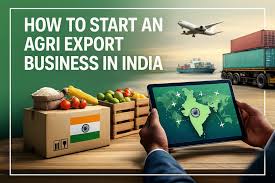

Getting into an export business india can seem tricky when you’re just starting. There are many rules and steps to follow. But don’t worry, it’s not as hard as it looks!
This guide will break everything down simply, step by step, so you can get your products out to the world. We’ll show you how to make your export dream a reality without feeling overwhelmed. Let’s find out what you need to know next to get going.
Key Takeaways
- You can learn the basic steps to start an export business in India.
- Discover what documents you’ll need to export goods.
- Understand the different ways to find buyers for your products.
- Learn about payment methods used in international trade.
- Find out how to ship your products safely and on time.
- Know where to get help and support for your export venture.
Understanding The Export Business India Landscape
This section helps you see the big picture of exporting from India. It’s about knowing what makes India a good place to export from and what general steps are involved. We’ll cover why many people are looking at export business india and what makes it an exciting area to get into.
Think of this as your first look at the opportunities available.
Why Export From India
India has a rich history of trade. Today, its growing economy and skilled workforce make it a strong player in the global market. Many unique Indian products are in demand worldwide, from textiles and handicrafts to spices and software services.
Starting an export business means you can reach more customers and grow your company faster than just selling in India.
The Indian government also supports exporters with various schemes and incentives. These programs aim to make exporting easier and more profitable for businesses. This backing helps new exporters overcome initial hurdles and compete on a global stage.
General Steps To Get Started
To begin an export business in India, you first need a clear idea of what you want to sell. Next, you need to make sure your product meets international quality standards. You’ll also need to register your business properly and get an Import Export Code (IEC).
This code is like a license for your business to trade internationally. After these basics, you’ll look for buyers and sort out how to ship your goods.
It’s also important to understand international market demands and pricing. Researching your target countries helps you know what products are wanted and at what price. This research is key to making sure your business is successful.
Essential Documents For Export Business India
Sending goods to other countries involves paperwork. This section explains the key documents needed for any export business in India. Having the right papers avoids delays and problems with customs in both India and the buyer’s country.
We will make this part clear so you know exactly what to prepare.
The Import Export Code IEC
The Import Export Code, or IEC, is a vital registration for anyone wanting to conduct export or import business in India. It is issued by the Directorate General of Foreign Trade (DGFT). The IEC is a 10-digit number that is permanent and does not require renewal.
Without an IEC, you cannot legally export goods from India or import them. It acts as your business’s identity for international trade transactions. Applying for it is usually a straightforward online process, but it’s the first official step in setting up your export operations.
Commercial Invoice And Packing List
The commercial invoice is a bill from the seller to the buyer. It lists the goods sold, their quantity, price, and other trade terms. It’s essential for customs valuation and payment.
A packing list, on the other hand, details the contents of each package. It helps customs officials and the buyer check the shipment against the invoice.
These documents ensure transparency in the transaction. They help both parties track what is being sent and received. Accurate details on these papers prevent disputes and ensure smooth customs clearance.
Bill Of Lading Or Air Waybill
When shipping goods by sea, a Bill of Lading (B/L) is used. It serves as a receipt for the cargo, a contract of carriage, and a document of title. This means whoever holds the B/L can claim the goods.
If you ship by air, an Air Waybill (AWB) is used, which is similar but not a document of title.
These documents are crucial for tracking your shipment and for the buyer to claim their goods once they arrive. They are issued by the shipping company or airline after the goods are loaded.
Other Important Documents
Depending on the product and the destination country, other documents might be needed. These can include a Certificate of Origin, which proves where your goods were made. For certain products like food or medicines, health certificates or inspection certificates are mandatory.
Insurance certificates are also important to protect your goods during transit.
Each document plays a role in ensuring compliance with international trade laws and specific country regulations. It’s wise to check the requirements for your target market well in advance.
Finding Buyers For Your Export Business India Products
Having great products is only half the battle. The next big step is finding people who want to buy them. This section looks at effective ways to connect with buyers around the world for your export business india.
We’ll explore different methods that work for businesses of all sizes.
Online Marketplaces And Platforms
The internet has made finding international buyers much easier. Platforms like Alibaba, IndiaMART, and TradeIndia list many potential buyers and sellers. Creating a strong profile and listing your products with good descriptions and photos can attract global attention.
These platforms often have features to verify buyers, adding a layer of security.
Social media can also be a powerful tool. Platforms like LinkedIn can help you connect with businesses directly. Sharing content about your products and company can build brand awareness.
Participating in online industry forums also exposes you to potential leads.
Trade Fairs And Exhibitions
Attending international trade fairs is a classic and very effective way to meet buyers face-to-face. These events allow you to showcase your products, network with potential clients, and understand market trends. You can see what competitors are doing and gather valuable feedback.
Many trade fairs focus on specific industries, so you can target events relevant to your products. This makes your efforts more focused and efficient. Exhibiting at these fairs can lead to immediate sales and long-term business relationships.
Working With Agents And Distributors
Another common strategy is to partner with agents or distributors in your target countries. Agents help find buyers and negotiate deals on your behalf, usually earning a commission. Distributors buy your products and then sell them in their local market, taking on the sales and marketing responsibilities.
Choosing the right agent or distributor is critical. They should have a good understanding of the local market and a strong network. Doing thorough research and checking references can help you find reliable partners who can boost your export business india sales.
Government And Export Promotion Councils
India has several government bodies and export promotion councils dedicated to helping businesses export. Organizations like the Federation of Indian Export Organisations (FIEO) and specific commodity boards (e.g., Cotton Textiles Export Promotion Council) offer support. They can provide market intelligence, help find buyers, and assist with promotional activities.
These councils often organize buyer-seller meets and trade delegations. They are a valuable resource for up-to-date information on trade policies and opportunities. Leveraging their network can open doors to markets you might not have reached on your own.
Payment Methods In Export Business India
Getting paid securely and on time is crucial for any business, especially in international trade. This section covers the common payment methods used in export business india. Understanding these options helps you choose the best way to receive payments from your overseas buyers.
Advance Payment
This is the safest method for the exporter. The buyer pays the full amount for the goods before they are shipped. This eliminates the risk of non-payment for the seller.
However, some buyers might be hesitant to pay the full amount upfront, especially for large orders or if they don’t know the exporter well.
Advance payment is often preferred for new customers or for smaller orders. It provides immediate cash flow and reduces financial risk significantly. To encourage buyers, you might offer a small discount for advance payments.
Letters Of Credit (LC)
A Letter of Credit is a commitment by a buyer’s bank to pay the seller a specified amount of money on behalf of the buyer, provided certain conditions are met. It offers strong security to both parties. The exporter is assured of payment if they fulfill the LC terms, and the buyer is assured that payment will only be made after goods are shipped as agreed.
LCs are commonly used for larger transactions where trust might be an issue. There are different types of LCs, such as sight LCs (payment upon presentation of documents) and usance LCs (payment at a future date). Understanding the specific terms of an LC is essential for successful use.
Documentary Collections
In documentary collections, the exporter’s bank sends shipping documents to the buyer’s bank. The buyer’s bank releases these documents to the buyer only after they pay for the goods or accept a bill of exchange. This method is less secure than an LC for the exporter because the buyer’s bank doesn’t guarantee payment.
However, it’s simpler and less costly than an LC.
There are two main types: Documents Against Payment (D/P) where the buyer pays immediately, and Documents Against Acceptance (D/A) where the buyer accepts a bill of exchange to pay later. It’s a good middle ground when an LC is not feasible.
Open Account
This is the riskiest method for the exporter. The exporter ships the goods and then sends the invoice to the buyer, who agrees to pay at a later date, usually within 30, 60, or 90 days. There is no bank involvement in guaranteeing payment.
This method relies heavily on trust between the buyer and seller.
Open account terms are typically offered to long-standing, trusted customers or when selling in highly competitive markets where it’s a standard practice. To mitigate risk, exporters might use credit insurance.
Shipping Your Products Internationally
Getting your products from India to your buyer’s doorstep requires careful planning. This section explains the basics of international shipping for your export business india. We will cover the main transport methods and what to consider to ensure your goods arrive safely and on time.
Sea Freight
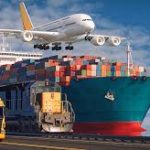
Sea freight is the most common and cost-effective method for shipping large volumes of goods. It’s ideal for non-urgent, heavy, or bulky items. Ships can carry vast quantities, making it the backbone of global trade.
There are two main options: Full Container Load (FCL), where you book an entire container for your goods, and Less than Container Load (LCL), where your goods share a container with shipments from other exporters. FCL offers more security and flexibility, while LCL is more economical for smaller quantities. Transit times can be long, ranging from weeks to months depending on the destination.
Air Freight
Air freight is the fastest way to transport goods internationally. It is suitable for high-value, perishable, or time-sensitive items. While it is more expensive than sea freight, its speed can be critical for certain businesses.
Air cargo is typically handled by airlines that offer dedicated cargo services. The weight and volume of the shipment determine the cost. For many export business india ventures, air freight is used for samples or urgent orders, rather than bulk shipments.
Logistics And Freight Forwarders
Managing international shipping can be complex. Freight forwarders are experts who handle the logistics of shipping your goods. They arrange transportation, manage documentation, customs clearance, and can advise on the best shipping methods and routes.
Using a freight forwarder can save you time and potential headaches. They have established relationships with shipping lines, airlines, and customs brokers. This allows them to negotiate better rates and ensure smooth transit.
They are an invaluable resource for any export business.
Packaging For Export
Proper packaging is critical to protect your products during transit. Goods are handled multiple times and can be exposed to varying weather conditions. Packaging should be strong enough to withstand the rigors of international shipping.
Materials like sturdy cardboard boxes, protective wrapping, and proper labeling are essential. For fragile items, internal cushioning materials are vital. For sea freight, consider using moisture-resistant packaging.
Ensure all packages are clearly marked with shipping information and handling instructions.
Common Myths Debunked
Myth 1: Exporting Is Only For Large Companies
This is a common misconception. Many small and medium-sized enterprises (SMEs) successfully export their products. With proper planning and by utilizing available resources, even small businesses can tap into global markets.
Government support and online platforms make it more accessible than ever before.
Myth 2: You Need A Lot Of Money To Start
While some investment is required, you don’t necessarily need a huge sum to begin an export business in India. Many costs, like setting up online profiles or attending local trade events, are relatively low. Seeking government grants or loans for exporters can also help manage initial expenses.
Focusing on a niche product with existing demand can also keep startup costs manageable.
Myth 3: International Trade Is Too Complicated
While there are procedures to follow, international trade is not overly complicated for beginners. By breaking down the process into smaller, manageable steps and seeking advice from experts like export promotion councils or freight forwarders, you can navigate the system effectively. The internet also provides a wealth of information and resources.
Myth 4: All Products Can Be Exported Easily
Each product has its own set of regulations and quality standards for different countries. Some products might require special certifications or face import restrictions in certain markets. It’s important to research the specific requirements for your product and target country before you start exporting.
Frequently Asked Questions
Question: What is the first step for an export business in India?
Answer: The very first step is to identify the product you want to export and research its global demand and viability.
Question: Do I need a special bank account for export business?
Answer: Yes, you will need an INR bank account and likely a foreign currency bank account or arrange for conversion services to manage international payments.
Question: How can I find reliable international buyers?
Answer: You can find buyers through online B2B platforms, international trade fairs, government export promotion councils, and by working with agents or distributors.
Question: Is it difficult to get an Import Export Code (IEC)?
Answer: No, obtaining an IEC is generally a straightforward online process through the Directorate General of Foreign Trade (DGFT) website.
Question: What are the risks of accepting open account payment terms?
Answer: The main risk is non-payment by the buyer after you have shipped the goods, as there is no bank guarantee involved.
Final Thoughts
Starting an export business in India is an achievable goal. By understanding the necessary documents, finding your buyers, and choosing secure payment and shipping methods, you can successfully sell your products worldwide. Take it one step at a time, and don’t hesitate to use the resources available to guide your venture.