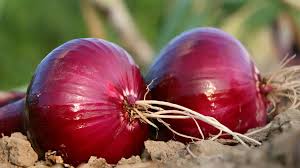

Thinking about selling onions to other countries? The onion export business can seem like a big task at first. There are many rules and things to learn.
But it doesn’t have to be hard! We will break it down for you step by step. Get ready to see how simple it can be to start selling your onions worldwide.
Key Takeaways
- Learn what you need to know to start selling onions abroad.
- Discover the simple steps to get your products to new markets.
- Find out about the important rules and permits you will need.
- Understand how to find buyers for your onions.
- Learn about packing and shipping your onions safely.
- Get tips on making your onion export business successful.
Understanding the Onion Export Business
The global trade of onions is a busy market. Many countries need fresh onions year-round. This creates chances for farmers and traders to sell their produce to new customers far away.
The onion export business involves more than just growing good onions. It means understanding international rules, finding buyers, and getting your goods where they need to go. We will cover these main points so you can feel confident.
What Makes Selling Onions Overseas Popular
Selling onions to other countries is popular because there is always a demand for food. Onions are a staple in many kitchens around the world. Some countries grow more onions than they can eat, while others need to import them.
This difference in supply and demand creates a market for exporters. It allows growers to sell more produce and make more money.
This global demand means opportunities for many people. You can become part of a big industry that helps feed people everywhere. Learning how to do it right is the first step to success.
Challenges for New Exporters
New people entering the onion export business might face a few challenges. These can include learning about different country rules, finding reliable buyers, and managing the logistics of shipping. Sometimes, the paperwork can seem confusing.
There are also different quality standards to meet. It is important to know these hurdles so you can plan for them.
But these challenges are not impossible to overcome. With the right information and a clear plan, you can successfully navigate them. We are here to guide you through each part.
Getting Started with Onion Exports
To start your onion export venture, you need a solid plan. This section will guide you through the foundational steps. It covers everything from checking your product to understanding the very first paperwork.
This will help you build a strong base for your international sales.
Assess Your Onion Crop Quality
Before you even think about selling abroad, you must make sure your onions are top quality. Buyers in other countries often have high standards. They want onions that are fresh, firm, and free from damage or disease.
Different countries might have specific rules about what they will accept.
Inspect your onions carefully. Look for any signs of rot, bruising, or sprouting. Make sure they are the right size and shape for export.
High-quality onions will always sell better and lead to repeat business. This focus on quality is key to building a good reputation.
Research Target Markets
It is important to know where you want to sell your onions. Different countries have different tastes and needs. Some might want sweet onions, while others prefer strong, pungent ones.
Also, consider the time of year. When is demand high in a certain country? When is their own growing season?
This research helps you pick the best places to sell.
Think about the rules in those countries too. Do they have special import rules for produce? Are there any trade agreements that could help you?
Knowing these details will make your export efforts smoother. It helps you avoid unexpected problems later on.
Understand Export Regulations and Permits
Every country has its own rules for importing food. You will need to learn about these rules for your target markets. This can include phytosanitary certificates, which show your onions are healthy and pest-free.
You might also need export licenses from your own country.
It is vital to get all the necessary permits and certificates before you ship anything. Not having the right paperwork can lead to delays, fines, or your onions being sent back. Your government’s export agencies can help you find this information.
They can guide you on what you need to apply for.
Finding Your First Buyers
Finding people who want to buy your onions is a crucial step. You can start by looking for import companies in your target countries. Trade shows and international agricultural fairs are great places to meet potential buyers.
You can also use online B2B (business-to-business) platforms that connect sellers and buyers globally.
Building relationships is key. Be clear about what you offer, your prices, and your delivery times. Good communication can lead to long-term partnerships.
Do not be afraid to start small and build your client base over time.
Logistics and Shipping Your Onions
Once you have buyers, you need to figure out how to get your onions to them. This part of the onion export business involves packing, shipping, and making sure the onions arrive in good condition. Proper planning here is essential for customer satisfaction and profitability.
Packing for International Shipment
How you pack your onions makes a big difference. They need to be protected from damage during transit. Use sturdy containers, like crates or mesh bags, that allow for good air circulation.
This helps prevent spoilage. Make sure the packaging clearly shows the contents and any required labels.
Consider the climate of the destination country. If it is very hot, you may need special cooling methods. Proper packing ensures your onions arrive looking as fresh as when they left your farm or warehouse.
This builds trust with your buyers.
Choosing the Right Shipping Method
You have a few options for shipping. Sea freight is usually the most cost-effective for large volumes, but it takes longer. Air freight is faster and good for high-value or very perishable goods, but it is more expensive.
You might also use land transport if your destination country is nearby.
Work with a reliable shipping company that has experience with agricultural products. They can help you with customs clearance and shipping documents. Discuss transit times, costs, and the best way to keep your onions fresh during the journey.
The choice depends on your budget, how quickly the onions need to arrive, and the quantity you are sending.
Customs Procedures and Documentation
Each country has its own customs procedures. You will need to prepare all the required documents for customs officials. This usually includes a commercial invoice, a packing list, and a bill of lading (for sea or air freight).
You will also need the phytosanitary certificate we talked about earlier.
Your shipping company can often assist with customs clearance. Understanding these steps helps prevent delays. Errors in customs paperwork can cause significant problems.
Ensure all information is accurate and complete. This makes the process much smoother for everyone.
Quality Control During Transit
Even with good packing, it is important to think about quality control during transit. For long sea voyages, refrigerated containers (reefers) are often used. These maintain a steady, cool temperature that is ideal for onions.
Regular checks might be needed to ensure the temperature is stable.
If possible, arrange for someone to check the onions upon arrival. This could be your buyer or a representative. This helps confirm that the onions arrived in the condition you promised.
It is also good feedback for improving your packing and shipping methods in the future. Protecting the quality all the way to the customer is vital.
Market Analysis and Pricing Strategies
To succeed in the onion export business, you need to understand the market and set your prices wisely. This section covers how to do that. It will help you make smart decisions about how much to charge and how to stay competitive.
Understanding Global Onion Prices
Onion prices can change a lot based on supply, demand, and even the season. Prices are affected by harvests in major onion-producing countries. For example, if there is a bad harvest in India, prices in other countries might go up.
You need to stay updated on global market trends.
Look at market reports and news from agricultural organizations. See what prices other exporters are charging for similar quality onions. This helps you set a competitive price for your own product.
Knowing the market helps you decide when is the best time to sell and at what price.
Factors Affecting Your Export Price
Your export price is not just the cost of growing the onions. You have to consider many other costs. These include the cost of packaging, transportation to the port, shipping fees, insurance, and any fees for permits or certificates.
You also need to account for any risks, like onions spoiling.
Don’t forget to add your profit margin. This is the money you make after all expenses. Your price needs to be competitive enough to attract buyers, but high enough to make your business profitable.
It is a balancing act that requires careful calculation. Also, think about currency exchange rates if you are selling in a different currency.
Developing a Competitive Pricing Strategy
To be competitive, you can use a few strategies. You might offer lower prices for larger orders to encourage buyers to purchase more. Offering different grades of onions at different price points can also attract a wider range of customers.
Some buyers might want premium quality at a higher price, while others look for standard quality at a lower price.
You can also focus on building a reputation for reliability and quality. Sometimes, customers will pay a little more for a supplier they can trust. Consider offering flexible payment terms to attract new clients.
The goal is to offer value that makes buyers choose you over others.
Long-Term Market Trends
It is also smart to look at long-term trends. Are certain types of onions becoming more popular? Are there new markets opening up?
Understanding these trends can help you plan for the future. You might invest in growing a different variety of onion or focus on a market that is growing.
For example, if there is a growing interest in organic produce, you might consider growing organic onions. This can command higher prices and open up new markets. Staying informed about market shifts helps your business grow and adapt over time.
Common Myths Debunked
Myth 1: Onion export is only for big companies
Many people think you need to be a large corporation to export onions. This is not true. Small and medium-sized farms can also export successfully.
They can start by focusing on a few key markets and building their business gradually. With good planning and quality products, any size business can enter the export market.
Myth 2: International shipping is too complicated
Shipping goods overseas can seem daunting, but it is manageable. Many companies specialize in agricultural exports and can help with the process. They handle customs, paperwork, and finding the best shipping routes.
You do not have to be an expert in logistics; you can rely on professionals.
Myth 3: You need to speak many languages
While speaking multiple languages can be helpful, it is not always a requirement. Many international business dealings happen in English. If needed, you can hire translators or use translation tools for communication.
The key is clear and honest communication, not perfect fluency.
Myth 4: Quality checks are too expensive
Investing in quality control is actually an investment in your business’s success. It might seem like an added cost, but it prevents bigger losses later. Ensuring your onions meet standards reduces returns and builds customer trust.
The cost of ensuring quality is far less than the cost of damaged reputation or lost sales.
Myth 5: Exporting means huge upfront investment
While some initial costs are involved, they are often manageable. You do not need to buy expensive new equipment overnight. Starting with a smaller export volume and reinvesting profits can help you grow without taking on massive debt.
Many resources and government programs exist to support new exporters, reducing the financial burden.
Frequently Asked Questions
Question: How do I find buyers for my onions overseas?
Answer: You can find buyers through international trade shows, online B2B platforms, and by contacting import companies directly in your target countries. Networking and building relationships are key.
Question: What is the most important document for exporting onions?
Answer: A phytosanitary certificate is very important. It shows that your onions are free from pests and diseases, which is required by many countries for import.
Question: Can I export onions that are not perfectly shaped?
Answer: This depends on the buyer and the country’s import regulations. Some markets accept ‘imperfect’ produce, often at a lower price, while others have strict standards for size and shape.
Question: How long does it take for onions to reach an international buyer?
Answer: Transit times vary. Sea freight can take several weeks, while air freight takes a few days. The specific route and shipping method will determine the duration.
Question: What are common mistakes new onion exporters make?
Answer: Common mistakes include not researching market requirements enough, failing to get the right paperwork, poor packaging, and underestimating shipping costs. Thorough preparation helps avoid these.
Conclusion
Starting your onion export business is achievable. Focus on quality, research your markets, and prepare your paperwork. Work with reliable shipping partners.
Setting fair prices and understanding global demand will help you succeed. You can grow your business by providing good onions and building strong customer relationships.