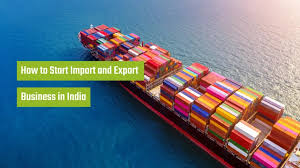

Thinking about starting an import export business in india might seem big and a little scary at first. Many people wonder if it’s too hard to begin. It can feel like there are a lot of rules and steps.
But don’t worry! We’ll make it super simple. This guide will show you exactly what to do, step by step.
We’ll cover everything you need to know to get your business moving.
Key Takeaways
- You will learn the basic steps to start an import export business in India.
- Understand the essential licenses and registrations required.
- Discover how to find reliable suppliers and buyers.
- Learn about important documents for international trade.
- Get insights into managing finances and payments for your business.
- Find out how to handle shipping and logistics effectively.
Getting Started With Your India Import Export Business
Starting an import export business in India is a popular choice for many entrepreneurs. It offers a chance to connect with global markets and grow a business beyond national borders. However, for beginners, the process can seem complicated due to various regulations, documentation, and logistics.
It involves understanding international trade laws, customs procedures, and market demands. Many think it’s too difficult to manage, especially when you’re just starting out.
This section will break down the initial steps. We will cover what you absolutely need before you even think about making your first trade. Think of this as building the strong foundation for your business.
We will look at naming your business, deciding what you want to trade, and getting the main licenses.
Choosing Your Business Structure
Deciding on the legal structure for your import export business is a very important first step. This decision affects how your business is taxed, how much personal liability you have, and how you manage your operations. Each option has its own set of rules and benefits.
- Sole Proprietorship: This is the simplest form. You and your business are one legal entity. It’s easy to set up and manage, but your personal assets are at risk if the business incurs debt.
- Partnership Firm: Two or more people agree to share in the profits or losses of a business. It’s also relatively simple to form, but partners share liability.
- One Person Company (OPC): This structure offers the benefits of a private limited company but with only one member. It provides limited liability to the owner.
- Private Limited Company (Pvt Ltd): This is a separate legal entity from its owners. It offers limited liability, making it attractive for businesses planning to grow. However, it involves more compliance and paperwork.
For beginners, a Sole Proprietorship or One Person Company might be easier to start with. As your business grows, you can always change to a Private Limited Company. This allows you to get used to the business without too much initial hassle.
It’s about making it manageable from day one.
Deciding What to Import or Export
The products you choose to trade are the heart of your business. Selecting the right goods can make a big difference in your success. You need to pick items that have demand both in India and in other countries.
Think about what India is good at producing and what other countries need. Also, consider what foreign products are popular in India.
For example, India is known for its textiles, spices, pharmaceuticals, and agricultural products. These are often in high demand globally. On the other hand, India imports electronics, machinery, and certain raw materials.
Identifying a niche market or a product line where you can add value is key. Researching market trends and consumer needs will help you make informed choices.
When you pick your products, ask yourself:
- Is there a consistent demand for this product?
- Can I source this product reliably and at a good price?
- Is there a profit margin I can work with?
- Are there any special regulations or restrictions on importing/exporting this item?
Doing this homework upfront saves a lot of trouble later. It sets you on a path to finding profitable products that you can trade with confidence.
Securing Essential Licenses and Registrations
To conduct import export business in India, you need several official documents. These licenses show that your business is legitimate and follows all the rules set by the Indian government. The most important one is the Importer-Exporter Code (IEC) number.
Without it, you cannot engage in international trade.
Applying for an IEC is straightforward and can be done online through the Directorate General of Foreign Trade (DGFT) website. It’s a one-time registration and is valid for life. The IEC number is linked to your business and helps in clearing customs and processing payments.
Other important registrations include:
- GST Registration: If your business turnover exceeds the threshold, you must register for Goods and Services Tax. This is crucial for all commercial activities in India.
- Current Account in Bank: You need a business bank account to handle all financial transactions related to imports and exports.
- Shop and Establishment Act License: Depending on your business location and type, you might need this license from your local authorities.
- MSME/Udyam Registration: Registering as a Micro, Small, or Medium Enterprise can provide access to government schemes and benefits, which can be very helpful for new businesses.
Getting these licenses sorted early ensures your operations are compliant. It also makes it easier to work with suppliers, buyers, and financial institutions. Think of these as your official entry passes into the world of international trade.
Understanding the Import Export Process in India
Once you have your basic setup ready, it’s time to get into the actual workings of international trade. This involves finding partners, understanding documentation, and managing the movement of goods. It might sound complex, but by breaking it down, you can grasp the flow of an import export business in India.
This part of the guide focuses on the practical aspects. We will explain how to connect with people who want to buy your products or sell you goods. We will also look at the paperwork involved and how to move your items across borders smoothly.
It’s about putting your business plan into action.
Finding Reliable Suppliers and Buyers
The success of your import export business hinges on having trustworthy partners. This means finding suppliers who provide quality products at fair prices and buyers who are serious and reliable.
For sourcing products to export, start by identifying Indian manufacturers or producers. You can find them through:
- Trade fairs and exhibitions specific to your product category.
- Industry associations and chambers of commerce.
- Online B2B platforms like IndiaMART, TradeIndia, or Alibaba (for sourcing globally as well).
- Direct contact with manufacturers whose products you admire.
When you find a potential supplier, always do your due diligence. Ask for product samples, check their production capacity, and look for reviews or references. It’s wise to visit their facility if possible, especially for larger deals.
For finding international buyers, the approach is similar:
- Utilize global B2B platforms such as Alibaba, Global Sources, or Amazon Business.
- Attend international trade shows where your target market is represented.
- Engage with overseas chambers of commerce or trade promotion councils.
- Network through LinkedIn and other professional platforms.
For buyers, verify their business credentials. Ask for trade references, check their website, and communicate clearly about payment terms and delivery schedules. Building a strong network of reliable contacts is a continuous effort that pays off greatly.
Essential Trade Documents
International trade involves a lot of paperwork. Each document has a specific purpose and is required at different stages of the import or export process. Understanding these documents is crucial to avoid delays and penalties.
Here are some of the most common and important documents:
- Commercial Invoice: This document is issued by the exporter to the importer. It details the goods sold, quantity, price, terms of sale, and payment details. It is used by customs to assess duties.
- Bill of Lading (for sea freight) or Air Waybill (for air freight): This is a contract between the shipper and the carrier. It also serves as a receipt for the goods and a document of title. It is essential for taking possession of the goods at the destination.
- Packing List: This document lists the contents of each package, including quantity, weight, and dimensions. It helps customs officials and the receiver identify the contents and verify them against the invoice.
- Certificate of Origin: This document certifies that the goods being exported were manufactured in a particular country. It is often required by the importing country to determine eligibility for preferential tariffs or trade agreements.
- Import/Export Licenses: Specific licenses might be required for certain goods, such as agricultural products, chemicals, or defense equipment.
Accurate and complete documentation ensures a smooth clearance process. It prevents issues at customs, speeds up delivery, and avoids financial penalties. Always ensure all details match across different documents.
Shipping and Logistics Management
Getting your goods from one country to another safely and on time is the job of logistics. This involves choosing the right mode of transport, managing freight forwarders, and tracking your shipments.
The main modes of transport are:
- Sea Freight: This is the most common and cost-effective method for large quantities of goods. It is slower than air freight. You can ship full container loads (FCL) or less than container loads (LCL) if you don’t have enough goods to fill a whole container.
- Air Freight: This is the fastest but most expensive option. It’s ideal for high-value, perishable, or time-sensitive goods.
- Land Transport: For neighboring countries, trucks and railways can be used.
You will likely work with a freight forwarder. A freight forwarder is a company that helps you arrange the shipment of your goods. They handle bookings, documentation, customs clearance, and can advise on the best shipping options.
They are experts in logistics and can save you a lot of time and effort.
When managing logistics, consider:
- Incoterms: These are international rules for the interpretation of trade terms, defining the costs and responsibilities of buyers and sellers in international transactions. Examples include FOB (Free On Board) and CIF (Cost, Insurance, Freight).
- Insurance: Always insure your goods against loss or damage during transit.
- Tracking: Use tracking services provided by carriers or freight forwarders to monitor your shipment’s progress.
Efficient logistics management ensures your customers receive their orders on time and in good condition, building trust and repeat business.
Financing Your Import Export Business
Money is a critical part of any business, and import export is no exception. Managing payments, accessing funds, and understanding financial risks are vital for success. For beginners in the import export business in India, this can be a challenging area.
This part will guide you through how to handle money matters. We’ll cover how to get paid, how to pay your suppliers, and ways to finance your trade if you need extra money. It’s about making sure your business stays financially healthy.
Payment Methods in International Trade
Receiving payments from foreign buyers and paying international suppliers involves secure and reliable methods. Different payment terms can be agreed upon, affecting risk and cash flow for both parties.
Common payment methods include:
- Advance Payment: The importer pays the exporter in full or in part before the goods are shipped. This is the safest method for the exporter but might deter buyers.
- Letters of Credit (LC): This is a bank guarantee that the exporter will receive payment, provided they meet all the terms and conditions specified in the LC. It is a very secure method for both parties but can be complex and costly.
- Documentary Collections: The exporter’s bank sends shipping documents to the importer’s bank, which releases them to the importer only after payment (Documents Against Payment – DP) or acceptance of a bill of exchange (Documents Against Acceptance – DA). Less secure than LC but simpler.
- Open Account: The exporter ships goods and trusts the importer to pay on an agreed date. This is common between long-standing business partners but carries high risk for the exporter.
Choosing the right payment method depends on your relationship with the other party, the value of the transaction, and your risk tolerance. For new relationships, using secure methods like LCs or advance payments is advisable.
Trade Finance Options
Sometimes, you might need funds to purchase inventory, cover shipping costs, or manage cash flow between receiving payment from your buyer and paying your supplier. Trade finance options can help bridge these gaps.
Here are some common trade finance solutions:
- Bank Loans: Traditional business loans from banks can be used to finance working capital or specific trade transactions.
- Export Credit Agencies (ECAs): In India, EXIM Bank of India provides various credit facilities and guarantees to support exporters.
- Factoring and Forfaiting: Factoring involves selling your accounts receivable (invoices) to a third party at a discount for immediate cash. Forfaiting is similar but typically involves longer-term debts and no recourse to the seller.
- Pre-shipment and Post-shipment Finance: Banks offer finance to exporters to cover costs incurred before shipment (e.g., raw materials) or after shipment (e.g., working capital until payment is received).
Exploring these options with your bank can provide the necessary financial support to grow your import export business. Proper financial planning ensures you can meet all your obligations and seize profitable opportunities.
Navigating Customs and Regulations
Understanding customs procedures and complying with regulations is a crucial part of running an import export business in India. It ensures your goods pass through borders smoothly and legally.
This section will explain how customs work. We’ll cover what duties you might have to pay and how to handle the paperwork required by customs authorities. It’s about making sure your shipments aren’t held up for the wrong reasons.
Understanding Customs Duties and Taxes
When goods cross national borders, they are often subject to customs duties and taxes. These are levied by the government to generate revenue and protect domestic industries. As an importer or exporter, you need to be aware of these costs.
Key terms to know:
- Import Duty: This is a tax imposed on goods brought into India. The rates vary depending on the type of product, its country of origin, and any applicable trade agreements.
- Export Duty: This is a tax imposed on goods sent out of India. It is less common than import duty and usually applies to specific goods to control domestic supply or discourage certain exports.
- GST (Goods and Services Tax): For imports, Integrated GST (IGST) is levied, which is similar to the GST charged on domestic transactions. For exports, IGST is generally zero-rated, meaning you can claim back the GST paid on inputs.
- Other Cess and Duties: There might be other specific cesses or duties applicable, such as Social Welfare Surcharge or Anti-dumping duties, depending on the product.
The Harmonized System of Nomenclature (HSN) code is used internationally to classify traded products. This code determines the applicable duties and taxes. You must correctly classify your goods to calculate the correct duty amounts.
To get an estimate of duties and taxes, you can consult the Indian Customs Tariff or use online calculators provided by the government or customs brokers. Accurate calculation prevents overpayment or underpayment, which can lead to penalties.
Customs Clearance Procedures
Customs clearance is the process of getting goods approved by the customs authorities for import or export. It involves submitting necessary documents and undergoing inspections.
The typical customs clearance process involves:
- Filing of Bills of Entry (for imports) or Shipping Bills (for exports): These documents are submitted to customs authorities detailing the goods being imported or exported. They include information like HSN code, value of goods, quantity, and origin.
- Assessment of Duties and Taxes: Customs officers review the submitted documents to verify the declared information and assess the applicable duties and taxes.
- Examination of Goods: In some cases, customs may physically examine the goods to ensure they match the declared information and comply with regulations.
- Payment of Duties and Taxes: The importer pays the assessed duties and taxes. For exports, any applicable export duties are paid.
- Out of Charge Order: Once all formalities are completed and duties are paid, customs issue an ‘Out of Charge’ order, allowing the goods to be released for further movement.
Working with a Customs House Agent (CHA) or a customs broker can greatly simplify this process. CHAs are licensed professionals who handle customs documentation and procedures on behalf of importers and exporters. Their expertise ensures compliance and efficient clearance of goods.
Compliance with Import and Export Policies
India has specific policies governing imports and exports, managed by bodies like the Directorate General of Foreign Trade (DGFT) and the Reserve Bank of India (RBI). Staying updated with these policies is vital.
Key areas of policy compliance include:
- Prohibited and Restricted Items: Certain goods are banned from import or export, while others require special permissions or licenses. Examples include illegal drugs, certain weapons, and sometimes specific agricultural products.
- Import-Export Policy Updates: The government periodically updates its foreign trade policy. It’s important to be aware of any changes that might affect your business, such as new tariffs, quotas, or special economic zones.
- Foreign Exchange Management Act (FEMA): RBI regulations under FEMA govern all foreign exchange transactions in India. This includes rules for repatriation of export earnings and payment for imports.
- Quality Standards and Certifications: Many countries have specific quality, safety, or environmental standards that imported goods must meet. For example, CE marking for products sold in Europe or FDA approval for food and drugs in the USA.
Non-compliance can lead to severe penalties, including confiscation of goods, hefty fines, and even blacklisting. Staying informed through official government websites, trade bodies, and professional advisors is essential for smooth and legal trade operations.
Common Myths Debunked
Myth 1: Import export business in India is only for big companies
Many people believe that only large corporations can successfully operate in the import export sector. This is not true. Small and medium-sized businesses (SMEs) and even individual entrepreneurs can thrive in this field.
With the right planning, product selection, and understanding of the process, startups can compete effectively. Government initiatives also support SMEs in international trade. Focusing on niche products or specific markets can give smaller players a significant advantage.
Myth 2: You need a lot of money to start
While significant capital can help, it’s not always a prerequisite to start. Depending on the scale of operations and the products you choose, you can begin with a modest investment. Many import-export businesses start by focusing on trading goods where they act as intermediaries, minimizing their capital expenditure.
Leveraging trade finance options can also help manage initial costs. Careful budgeting and smart sourcing can make it accessible.
Myth 3: The paperwork is too complicated to handle
The documentation involved in import export can appear extensive, but it follows a structured pattern. With the help of customs brokers, freight forwarders, and accessible online resources, managing the paperwork becomes manageable. Understanding the core documents and their purpose is the key.
Many government portals now offer simplified procedures and online filing, making it less daunting for newcomers.
Myth 4: Finding overseas customers is extremely difficult
While it requires effort, finding international buyers is more accessible than ever. The internet and digital platforms have opened global markets to businesses of all sizes. Online B2B marketplaces, social media networking, and international trade fairs offer numerous avenues to connect with potential customers.
Building relationships and providing good service are fundamental, just like in any business.
Frequently Asked Questions
Question: What is the first step to start an import export business in India?
Answer: The very first step is to decide on the structure of your business (like Sole Proprietorship or Private Limited Company) and choose the specific products you plan to import or export.
Question: How long does it take to get an IEC number?
Answer: Applying for an Importer-Exporter Code (IEC) is usually a quick process, often completed within one to three working days after submission of a complete application online.
Question: Can I export goods without an IEC?
Answer: No, an Importer-Exporter Code (IEC) is mandatory for anyone looking to engage in import or export activities from India. It’s a unique identification number for your business.
Question: What is the role of a customs broker?
Answer: A customs broker is a licensed professional who handles all the necessary paperwork and procedures for clearing goods through customs on behalf of importers and exporters. They ensure compliance with all regulations.
Question: How can I ensure I get paid by my international buyer?
Answer: Using secure payment methods like Letters of Credit (LC) or requesting advance payments is recommended, especially for new business relationships. Building trust and clear communication also plays a significant role.
Summary
Starting an import export business in India is achievable for anyone with a clear plan. You have learned about securing licenses, finding partners, managing logistics, and handling finances. By following these steps and staying informed, you can build a successful global trade venture right from India.
Take these steps, and you’ll be on your way.